|
Getting your Trinity Audio player ready...
|
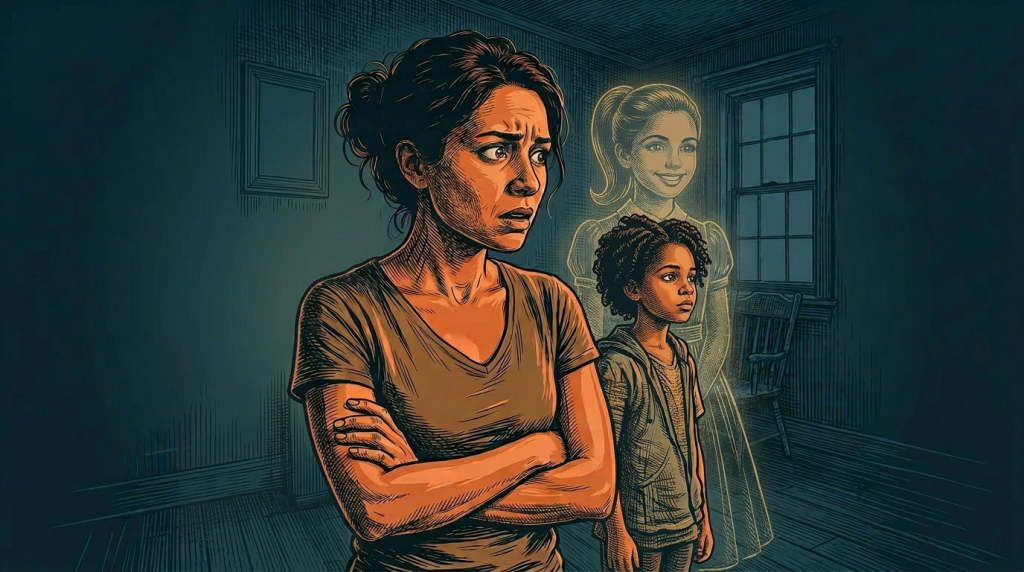
Parenting your real child rather than the one you imagined is one of the hardest adjustments a parent ever has to make. Before your child was born you had a picture of them in your mind. Confident, perhaps sporty or academic, someone who would carry forward what you valued and build on what you hoped for. Then the actual child arrived. Entirely their own person. And the gap between the child you imagined and the child who showed up is where some of the deepest family pain quietly lives.
The Footballer and the Poet
Raymond had played football at a semi-professional level. He had three brothers who all played. Football was the family's native language.
His son Daniel wanted to be a poet.
Not a football-playing poet. A poet-poet. Notebooks. Spoken word evenings. The whole thing.
Raymond had two choices. Grieve the footballer he had imagined and emotionally check out. Or fall in love with the son he actually had. It took him two painful years, including one extremely uncomfortable spoken word evening, but he chose Daniel.
He started reading poetry. He asked questions. He went to every performance. He still does not fully understand it. But he understands Daniel, which is the whole point.
Daniel calls his dad every week. He dedicated his first published collection to him.

Why Parenting Your Real Child Is So Difficult
Most parents make the adjustment easily when children are small. A toddler who loves dinosaurs instead of dolls is charming. A four-year-old who refuses to sit still in church is manageable. But as children develop strong identities that diverge from parental expectations, some parents quietly withdraw.
Not dramatically. Just a low-level emotional disappointment that the child can feel without being able to name it. A sense that they are perpetually slightly wrong. That they do not quite fit the shape their parent had in mind for them.
Children who grow up with that feeling do one of two things. They spend a lifetime shape-shifting to try to fit the mould. Or they eventually leave to go somewhere they are allowed to simply exist as themselves.
Neither outcome is what the parent wanted. And both were preventable by doing the hard, necessary work of parenting the real child rather than the imagined one.
Children who feel accepted by their parents as they are report significantly stronger emotional wellbeing and closer parental relationships in adulthood.
Ronald Rohner, Interpersonal Acceptance Rejection Theory — Read more at the Rohner Research CentreA Note From the Author
The Labels That Follow Children Through Life
One of the most common ways parents fail to see their real child is through the labels they attach early and never remove. The quiet one. The difficult one. The sensitive one. The one who is not academic. The one who takes after Grandad.
Labels are shorthand. They help parents make sense of a complex person quickly. But children grow into the labels they are given, or they spend enormous energy trying to grow out of them. Either way, the label shapes the relationship.
A child who is always called the difficult one stops trying to be anything else. A child who is told they are not academic stops believing they can be. A child who is always compared to a sibling grows up measuring their own worth by a standard that was never theirs to begin with.
Parenting your real child means taking the labels off and looking freshly at who is actually standing in front of you. Not who they were at five. Not who their older sibling was. Not who you needed them to be. Who they actually are, today, right now.
"Children are not things to be moulded, but people to be unfolded."
Jess Lair, author and psychologist — Read more
How to Start Parenting Your Real Child Today
This is not about abandoning your values or pretending that anything goes. It is about separating your hopes for your child from your acceptance of your child. Those two things can and must coexist. You can want more for them without making your love conditional on them achieving it.
- Notice when you are reacting to a label rather than a person. The next time you feel frustrated with your child, ask yourself: am I reacting to who they actually are right now, or to who I expected them to be?
- Let them surprise you. The child who confounds your expectations is often the most interesting one to know when you stop trying to redirect them.
- Respond to their pride, not your opinion. When your child shows you something they have made or achieved, respond to the feeling behind it before you respond to the thing itself. Their excitement is the point, not the quality of the work.
- Ask curious questions instead of leading ones. "What do you love about this?" lands very differently from "Don't you think you'd prefer something more practical?" One opens a door. The other quietly closes one.
- Grieve the imagined child privately if you need to. It is a real loss and it deserves acknowledgement. But do it away from your child. Then choose the real one. Every day, choose the real one.
For more on how the parent child relationship shapes a child's sense of self, the work of the Journal of Family Psychology offers a wealth of research on identity development and parental influence.
And if you are working on rebuilding a connection that has been affected by unmet expectations, our post on why your child stops talking to parents is a good place to start.
The Child Who Showed Up Is the One Worth Knowing
Raymond does not understand poetry. He never will. But his son knows that his father chose him — not the footballer he had hoped for, but the poet who showed up. That choice is the foundation of everything they have.
Parenting your real child is not a soft, optional extra on top of everything else you do as a parent. It is the thing that determines whether your child grows up feeling known or feeling like a disappointment. Whether they call you when things go well or only when they have to. Whether they bring their real life home or keep it carefully out of sight.
Your child is not the child you planned. They are something better and more interesting. Love the one who showed up. Get to know them. Let them be the person they actually are.
That is where the real relationship begins.
Ask your child one question about something they care about that you have never asked about before. Not about school or results. About them. Listen to the answer without redirecting it. That is where parenting your real child starts.
Want practical tools to build a closer relationship with your child?
Visit our Resource Library for books and guides that help you build safety, presence, and lasting closeness with your child, one small step at a time. All yours, free.
Get the Free ResourcesFamily Journey Online — Raising Connected Families
[www.familyjourneyonline.com](https://www.familyjourneyonline.com)