|
Getting your Trinity Audio player ready...
|
When a child hides mistakes from parents, it is rarely about dishonesty. It is more about safety. Somewhere along the way, your child learned that bringing a failure home carried a cost. Maybe it was a look you did not know you gave. A question that came too quickly. A solution offered before the feeling was heard, or even the fact that the effort was never acknowledged. Children are extraordinarily good at reading the emotional weather of their homes. And when the forecast for failure looks unfriendly, they learn to keep it to themselves.
The Trophy Room That Closed a Door
Ji-ho's dad was a results man.
He showed up to every match, coached from the sideline, and had built a celebration wall in the hallway: framed certificates, team photos, trophies. Not to intimidate. To inspire. He was, in his own way, a devoted father.
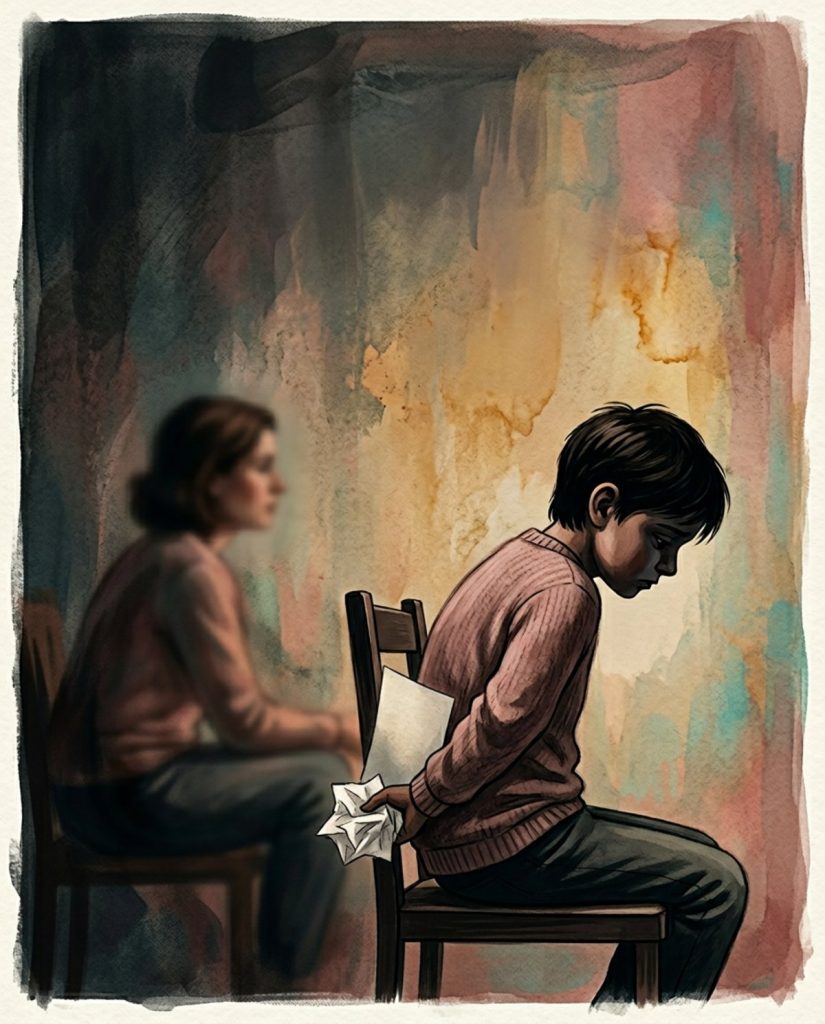
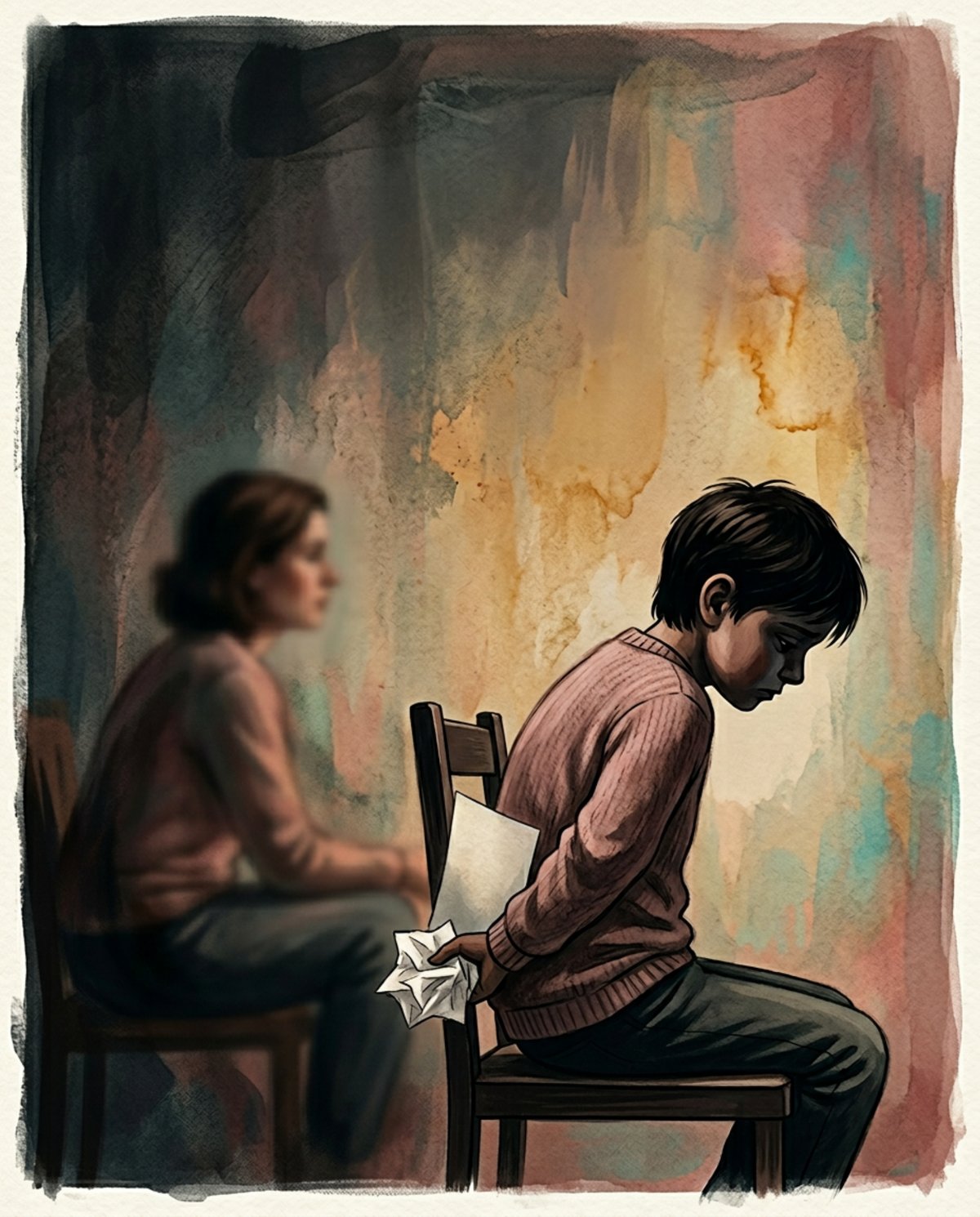
When nine-year-old Ji-ho came home having failed his swimming test, his dad put down his newspaper and said: "Right. What are we going to do differently?" He had already pulled out a notepad.
It was not cruel. It was love. But what Ji-ho heard underneath it was: we do not sit with failure here. We fix it and move on.
So he put the result in a drawer. And made a quiet decision he did not know he was making: some things were not for sharing.
Over the years, the drawer got full. The maths struggles. The failed driving test. The job rejections. Why would you bring a loss into a home built only for wins?
By 30, Ji-ho had achieved a great deal — but all of it in silence. His parents were the last to know about his failures and because of that, the last to know about him.
Why a Child Hides Mistakes From Parents
Most parents who raise children like Ji-ho have no idea they are doing it. They think they are teaching resilience. They think they are building a solutions mindset. In some ways they are.
But the child is also learning something else. Being imperfect here has a cost. Failing here means being immediately problem-solved. And the safest thing is not to bring failures home at all.
The result is an adult child who calls with the job offer but not the three rejections before it. Who tells you about the relationship but not the breakup they are quietly going through. Who keeps you on a highlight reel of their life because that is the version you seemed to want.
That distance, once built, takes a long time to close.
Children raised in homes where failure is discussed openly show 31% higher resilience scores and report closer parental relationships in adulthood.
Journal of Child and Family Studies, Vol. 27 (2018) — Read the Journal of Child and Family StudiesThe Message Your Home Is Sending
Every home has an emotional culture around failure. Some families talk about mistakes openly, laugh at them, learn from them together. Others treat failure as a problem to be solved quickly and moved on from. Others still treat it as something shameful, something to be hidden even from those closest to you.
Your child picked up on your home's culture around failure before they could put it into words. They learned it from watching how you responded when they dropped something, got a bad mark, lost a game, or made a poor decision. Not from one incident. From hundreds of small moments repeated over years.
The good news is that culture can change. And when it does, children notice that too.
"There is no such thing as a perfect parent. So just be a real one."
Sue Atkins, parenting coach and author — sueatkinsparentingcoach.com
5 Powerful Ways to Help When Your Child Hides Failures From Parents
These are not quick fixes. They are habits. The more consistently you practise them, the safer your home becomes for your child to bring their whole life to you, including the parts that did not go well.
- Lead with empathy before advice. When your child comes home with a failure, resist the urge to fix it immediately. Say "that sounds really hard" before you say anything else. Empathy first, always. Solutions can come later, or not at all if they were not asked for.
- Share your own failures with honesty and lightness. At dinner this week, tell your child about something that did not go well for you recently. Keep it real. Let them see that failure has a place at your table and that you survived it without falling apart.
- Remove the word "but" from your praise. "Well done, but you could have done better" is not encouragement. It is criticism with a warm-up act. Children hear the but every time. "Well done" is a complete sentence on its own.
- Ask how they feel before asking what happened. "How are you feeling about it?" lands very differently from "What went wrong?" One opens a conversation. The other opens an inquiry.
- Celebrate the attempt, not just the outcome. "I am proud of how hard you tried" is one of the most powerful things a parent can say. Say it especially after failures. It takes about two weeks of hearing it consistently before a child starts to believe you mean it. Keep saying it anyway.
For more on how emotional safety in the home shapes long-term family relationships, the American Psychological Association's resources on resilience offer a strong starting point.
And if you are working on rebuilding open communication with your child, our post on why your child stops talking to parents covers the habits that keep conversations alive.
The Drawer Does Not Have to Stay Full
Ji-ho's drawer did not fill up because his dad was a bad father. It filled up because his dad had never been taught that sitting with failure was an option. He had learned, somewhere along the way, that good parents fix things. So that is what he did.
But Ji-ho did not need things fixed. He needed to be heard. He needed to know that a swimming test result would not change how his father looked at him. He needed home to be the one place where the whole of him, including the parts that failed, was welcome.
That home is buildable. Not through grand gestures. Through five small habits, repeated consistently, until your child stops reaching for the drawer and starts reaching for you instead.
At dinner, ask your child about something that was hard today, not something that went well. Then just listen. Do not fix it. Do not advise. Just hear them. That single conversation, repeated regularly, changes what your child believes is safe to bring home.
Want practical tools to build a closer relationship with your child?
Visit our Resource Library for books and guides that help you build safety, presence, and lasting closeness with your child, one small step at a time. All yours, free.
Get the Free ResourcesFamily Journey Online — Raising Connected Families
www.familyjourneyonline.com