|
Getting your Trinity Audio player ready...
|
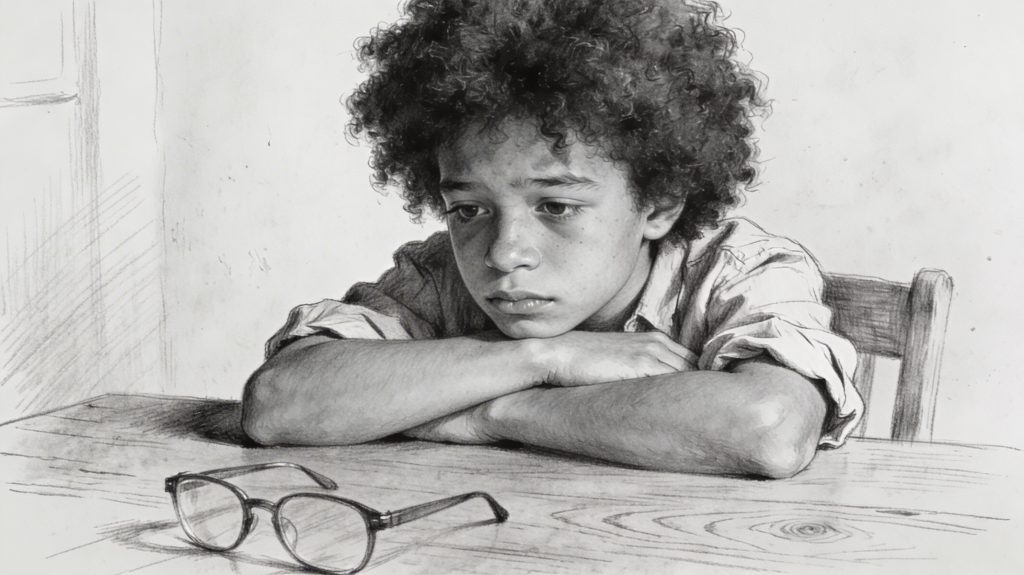
This is for the dad who showed up, kept trying, and still feels his child slipping emotionally out of reach.
You can be a good father and still feel far from your child. Good fathers lose connection more often than anyone admits out loud.
That sentence hurts. But for a lot of fathers, it is true.
This is not about men who disappeared. It is about the dad who stayed. The one who worked, paid, drove, checked in, showed up, and honestly thought he was doing what love looks like.
And then one day, something feels off.
Your child talks more freely with their mother. They bring her the feelings and bring you the facts. They come to you for logistics, but not always for the real stuff. And you cannot quite explain when that started happening.
Most of the time, there was no big blow-up. No dramatic break. Just a slow drift. This is exactly how good fathers lose connection, quietly, over years, without a single moment either of you could point to.
"A father can be consistently present and still feel emotionally far away. Children do not only remember who was there. They remember who felt safe to come to."
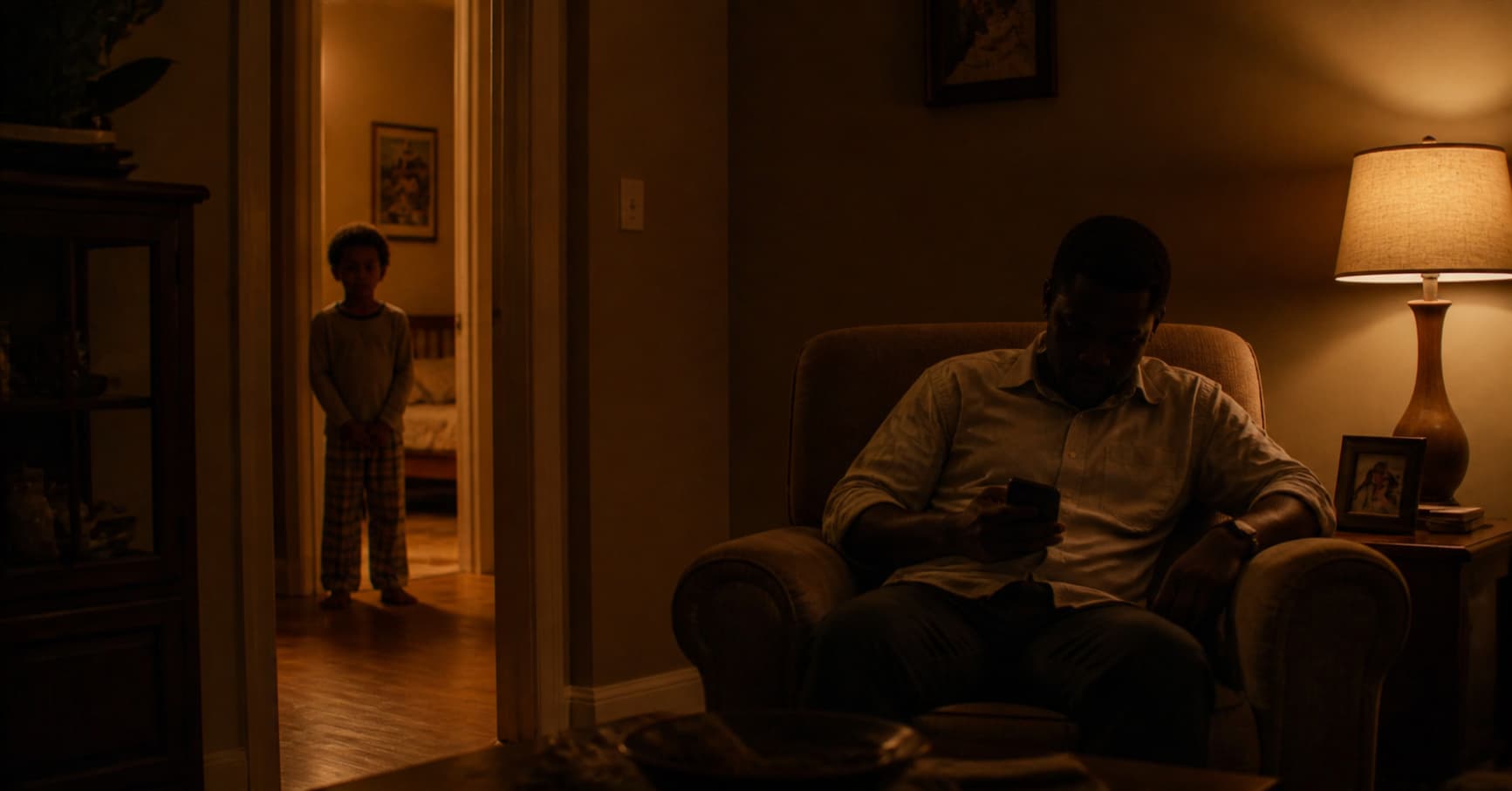
Sometimes distance starts in moments small enough to miss while they are happening.
Why Good Fathers Lose Connection: It Usually Starts Quietly
When children are small, fatherhood often feels simple. You play, carry, protect, lift, teach, and make them laugh. That bond is real.
But as children grow, the relationship changes. They do not just need your strength anymore. They need your softness too.
They need to feel that when they bring you something awkward, disappointing, embarrassing, or painful, you will stay with them instead of shutting it down, fixing it too fast, or turning it into a lesson.
That is where many good fathers lose connection. Not because they do not care. Because they were never taught how to stay emotionally open.
A lot of distance between fathers and children is built in ordinary moments.
What a child may be picking up from you
- Can I bring Dad a problem, or only a result?
- Will he listen, or will he move straight into fixing and correcting?
- Does he want to know me, or mainly manage me?
- Do I relax around him, or tighten up a little?
One Pattern Does a Lot of Damage
You know the line.
"Wait till your father gets home."
It sounds small. Normal, even. But over time, it can shape the whole emotional meaning of a father in a child's mind.
If your child keeps experiencing you as the final consequence, the household enforcer, the one who comes in after the fact to deliver the weight of the moment, they stop experiencing you as emotional safety.
They may still respect you. They may still love you. But they will be less likely to reach for you when they are hurting.
When discipline is repeatedly delayed and delivered through you secondhand, your child may stop connecting the consequence to the behaviour.
Instead, they connect the consequence to you. And that changes the relationship more than many fathers realise.
The next time something happens, begin with: Tell me what happened. Not because consequences do not matter, but because understanding should come before judgment.
Sometimes the Situation Is Harder Than That
Some fathers are not dealing with ordinary drift. Some are parenting through separation, access issues, tension with an ex-partner, or active undermining.
Sometimes there is parental alienation involved. Sometimes your child is hearing things about you that you cannot control and cannot immediately undo.
If that is your situation, hear this clearly: not every strained relationship is proof that you failed as a father.
When another adult is slowly shaping how your child sees you, the pain runs deep. It can feel like you are losing the relationship from outside the room.
Still, the worst thing you can do is pull your child into that war. Do not speak badly about the other parent in front of them. Keep showing up with steadiness, warmth, and restraint.
Children often grow into clarity later. Your job is to leave a trail of safety they can return to.
What Helps Good Fathers Reconnect Now
The good news is that this kind of distance can change.
Usually not through one huge emotional talk. Usually through smaller moments repeated over time.
Ask Better Questions
Not just: How was school? Did you finish it? What grade did you get?
Also: What has been on your mind lately? What made you laugh this week? Is there anything you wish I understood better?
Repair Faster
If you were too sharp, go back and say so. If you shut them down, go back. If you got it wrong, go back. That matters more than acting like you never miss it.
Stay Present Longer
Not every moment needs advice. Sometimes your child is not asking for an answer. They are asking whether you are emotionally safe to be around when life gets messy.
A Simple 7-Day Reset
- Day 1: Ask one question out of curiosity and just listen. Listen with curiosity and let them speak.
- Day 2: Tell someone, by phone, to their mum, or at an outdoor event, one thing the child did and how proud you are, and make sure they hear you.
- Day 3: Apologise for one thing quickly.
- Day 4: Take a walk with them. No pressure, just presence. Ask what has been on their mind lately or what made them laugh this week.
- Day 5: Share a childhood moment they can relate to.
- Day 6: Sit with them for ten minutes without trying to steer the moment.
- Day 7: Tell a short story about a good moment you had with their mum. Something warm, honest, and kind. Let them see you speaking respectfully about her.
Research and parenting guidance consistently point to emotional availability as one of the strongest foundations of long-term parent-child closeness.
See resources from the American Psychological Association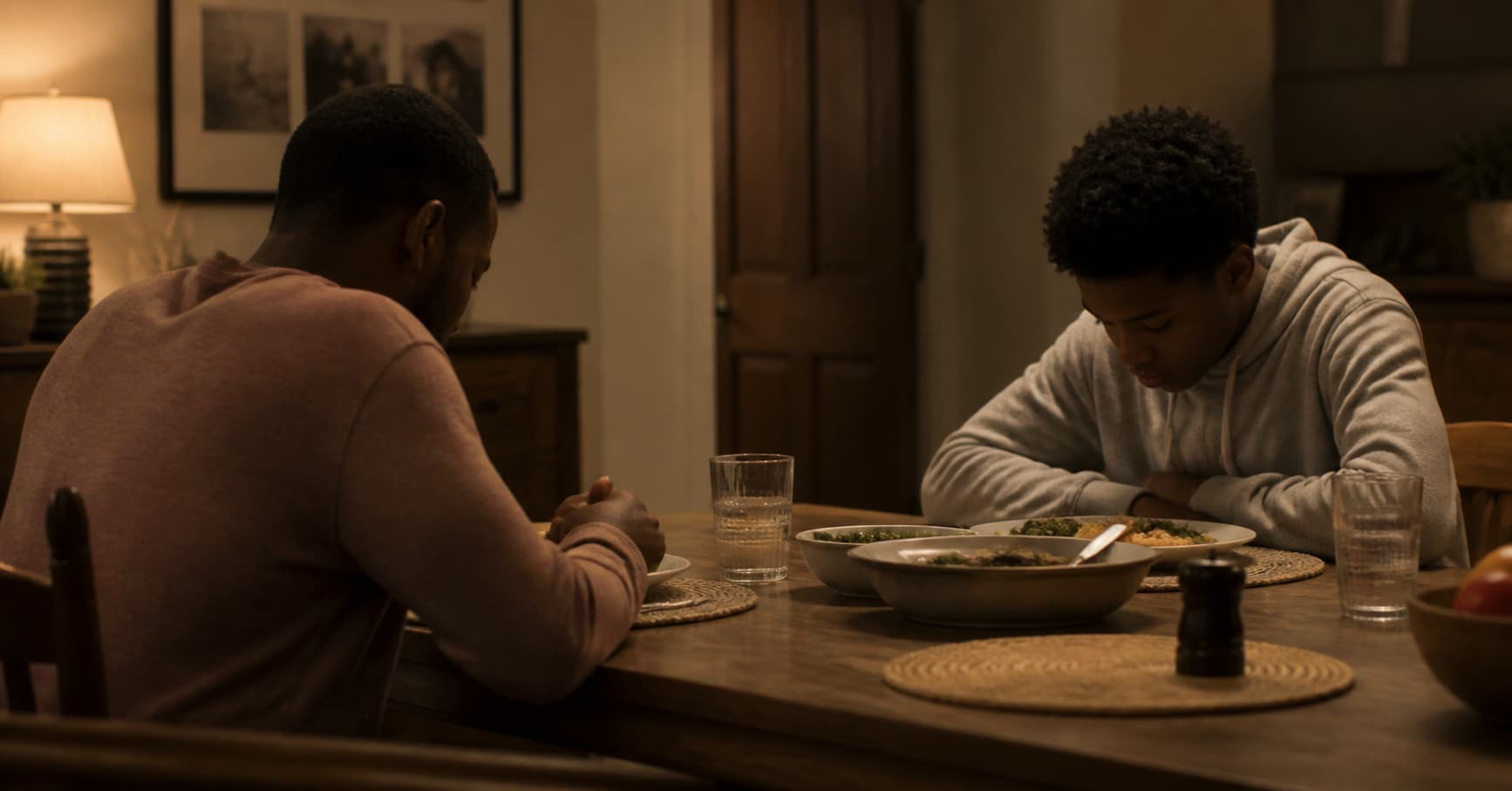
Sometimes everything looks fine from the outside. That does not mean closeness is happening inside the room.
"Any man can be a father. It takes someone special to be a dad."
Anne Geddes, via Goodreads
For more on staying connected during emotionally difficult years, read our post on why teenagers push their parents away. You can also explore broader parenting guidance from the American Psychological Association.
When your child sees you walk into a room, do they feel warm, excited, and safer, or do they feel monitored, uptight, and cautious? That question is hard, but it is also where repair begins.
Frequently Asked Questions About Why Good Fathers Lose Connection
Why does my child seem closer to their mother than me?
Often because children go where they feel the most emotional ease. A father can be loving and committed, yet still feel harder to approach if most of his energy comes through correction, pressure, or problem-solving. This is one of the quiet ways good fathers lose connection without ever meaning to.
Can a father rebuild connection after years of distance?
Yes, often he can. But usually through consistency, humility, curiosity, and repair rather than one dramatic moment.
What is emotional availability?
It is your child feeling that they can bring you feelings, confusion, fear, shame, or disappointment and still meet calm, interest, and safety.
What if my ex is damaging my relationship with my child?
Stay steady. Stay warm. Do not turn your child into the middle of the conflict. The safest parent often becomes the one the child trusts more deeply in the long run.
Want practical tools to build a closer relationship with your child?
Visit our Resource Library for books and guides that help you build safety, presence, and lasting closeness with your child, one small step at a time. All yours, free.
Get the Free ResourcesFamily Journey Online — Raising Connected Families